
Great videos deserve to be found. YouTube SEO is the process of optimising your videos so YouTube search, suggested videos, and Google can understand what your content is about and show it to the right viewers. When your titles, descriptions, thumbnails, and viewer signals work together, your videos have a better chance of ranking higher and earning steady, long-term views.
This guide explains YouTube SEO in plain language, with practical steps you can apply to every upload. You do not need expensive tools or advanced skills. You need a clear topic, honest optimisation, and consistency.
What Is YouTube SEO?
YouTube SEO means helping YouTube understand your video. YouTube looks at your title, description, captions, and how viewers respond to your video. It then decides which searches and recommendations your video fits. Strong YouTube SEO does not trick the algorithm. It makes your video easier to discover by the people who will genuinely enjoy it.
Think of it this way: YouTube wants viewers to stay happy and keep watching. If your video satisfies viewers who search for a topic, YouTube is more likely to show it to similar viewers. That is why relevance, clarity, and viewer satisfaction matter more than stuffing keywords everywhere.
How YouTube Search and Discovery Work
Viewers find videos through search results, the home feed, suggested videos, Shorts, playlists, and external sources such as Google search or social sharing. Search is especially valuable because the viewer already has intent. They typed a question or topic, and your video can answer it.
For search, YouTube weighs how closely your video matches the query, how viewers have responded to similar videos, and whether your video keeps people watching. For suggestions and home feeds, viewer history and related interests play a larger role. That is why one well-optimised video can keep gaining views long after upload day.
Keyword Research for YouTube
Start with the exact words your audience would type. Keyword research for YouTube can be simple and free.
1. Use YouTube Autocomplete
Type a broad topic in the YouTube search bar and note the suggestions. These are real searches people make. Look for specific phrases such as how-to questions, comparisons, and beginner guides. These longer phrases are often easier to rank for than broad single words.
2. Study the Top Videos for Your Topic
Search your target phrase and open the top results. Read their titles, descriptions, and chapter headings. Notice what questions they answer and what they miss. Your goal is not to copy them. Your goal is to create a clearer, more helpful video that covers the topic completely.
3. Pick One Main Topic per Video
Each video should target one main idea and one main search phrase. A focused video is easier to title, easier to describe, and easier for YouTube to classify. If you have three ideas, make three videos rather than one confusing video.
Optimise Your Title, Description, and Tags
Your metadata tells YouTube and viewers what to expect. Keep it accurate, natural, and helpful.
- Title: Put the main topic near the start. Keep it clear and honest. A title should promise exactly what the video delivers.
- Description: In the first two or three lines, summarise the video and include the main topic naturally. Add timestamps, useful links, and a fuller outline below.
- Chapters: Add timestamps for each section. Chapters help viewers jump to what they need and give YouTube extra context about your content.
- Captions: Accurate captions help accessibility and help YouTube understand your spoken content. Review auto-captions and fix errors where you can.
- Tags: Add a few relevant tags that describe the topic. Tags are a small signal, not the main ranking factor.
- Playlist: Add the video to a relevant playlist. Playlists keep viewers watching more of your content in one session.
Thumbnails, Watch Time, and Viewer Signals
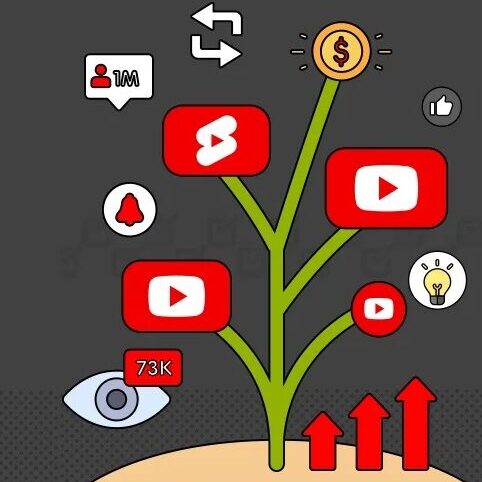
Search rankings are not only about words. YouTube also pays attention to how viewers respond. A strong thumbnail earns the click. A strong opening earns the watch. A clear structure earns the full view.
- Thumbnail: Use large, readable text, one clear subject, and strong contrast. The thumbnail and title should work together, not repeat the same words.
- First 30 seconds: State what the viewer will learn and why it matters. Avoid long intros before the value begins.
- Retention: Use simple structure, examples, and on-screen cues to keep the video easy to follow. Cut anything that does not serve the topic.
- Engagement: Ask a genuine question and invite comments. Reply to early comments to build discussion.
Check YouTube Analytics regularly. Look at click-through rate, average view duration, and which search terms bring viewers. Use these insights to improve your next video, not to chase quick tricks.
New Tips and Tricks That Still Work
- Answer the search intent in the first minute. If someone searched for a how-to, show the steps early, then add detail and examples.
- Create search-friendly series. A series on one theme builds topical authority and makes playlists and suggestions stronger.
- Refresh older videos. Update titles, descriptions, thumbnails, and pinned comments on older videos that already get search traffic. Small updates can revive a good video.
- Use Shorts and Community posts to support long videos. A Short or community post that previews a longer video can send interested viewers to it.
- Speak the keyword naturally. Say the main topic out loud in your introduction and in chapter headings.
- Keep titles honest. Misleading titles may earn clicks, but viewers leave quickly. A short watch hurts your video far more than a modest click-through rate.
A Simple YouTube SEO Checklist
- One main topic and one main search phrase per video
- Clear, honest title with the topic near the start
- Helpful description with a summary, timestamps, and links
- Chapters for every major section
- Custom thumbnail with readable text and strong contrast
- Accurate captions reviewed for errors
- Relevant playlist and a few accurate tags
- Strong opening that delivers value in the first 30 seconds
- Analytics review after publishing, then one improvement for the next video
Final Thoughts
YouTube SEO rewards clarity, relevance, and viewer satisfaction. Choose a topic your audience actually searches for, optimise honestly, make the video easy to watch, and publish consistently. Over time, small improvements compound into steady growth.
If you want help growing your channel with a professional strategy, explore our services or contact Creators Panda for guidance.